Health access becomes easier
Free connectivity at primary health facilities supports digital reporting and gives residents a practical access point for online health information and Social Health Authority services.
Our headline figures are consistent across the website and describe the network’s current reach. Beyond the numbers, we focus on how meaningful connectivity changes people’s choices.
We look beyond coverage and ask whether people can reach services, learn, work, communicate and participate more fully.
Free connectivity at primary health facilities supports digital reporting and gives residents a practical access point for online health information and Social Health Authority services.
Teachers can research, communicate and use online resources without depending entirely on personal mobile bundles.
Hands-on exposure to networking, graphics, web design and software development can become paid work, employment or freelance opportunity.
Market-centre connectivity supports communication, digital payments, customer service and everyday online business activity.
Kimeru-language content makes climate and farming information more relevant to the people expected to use it.
Local technicians shorten response times, retain practical knowledge and make the network more resilient.
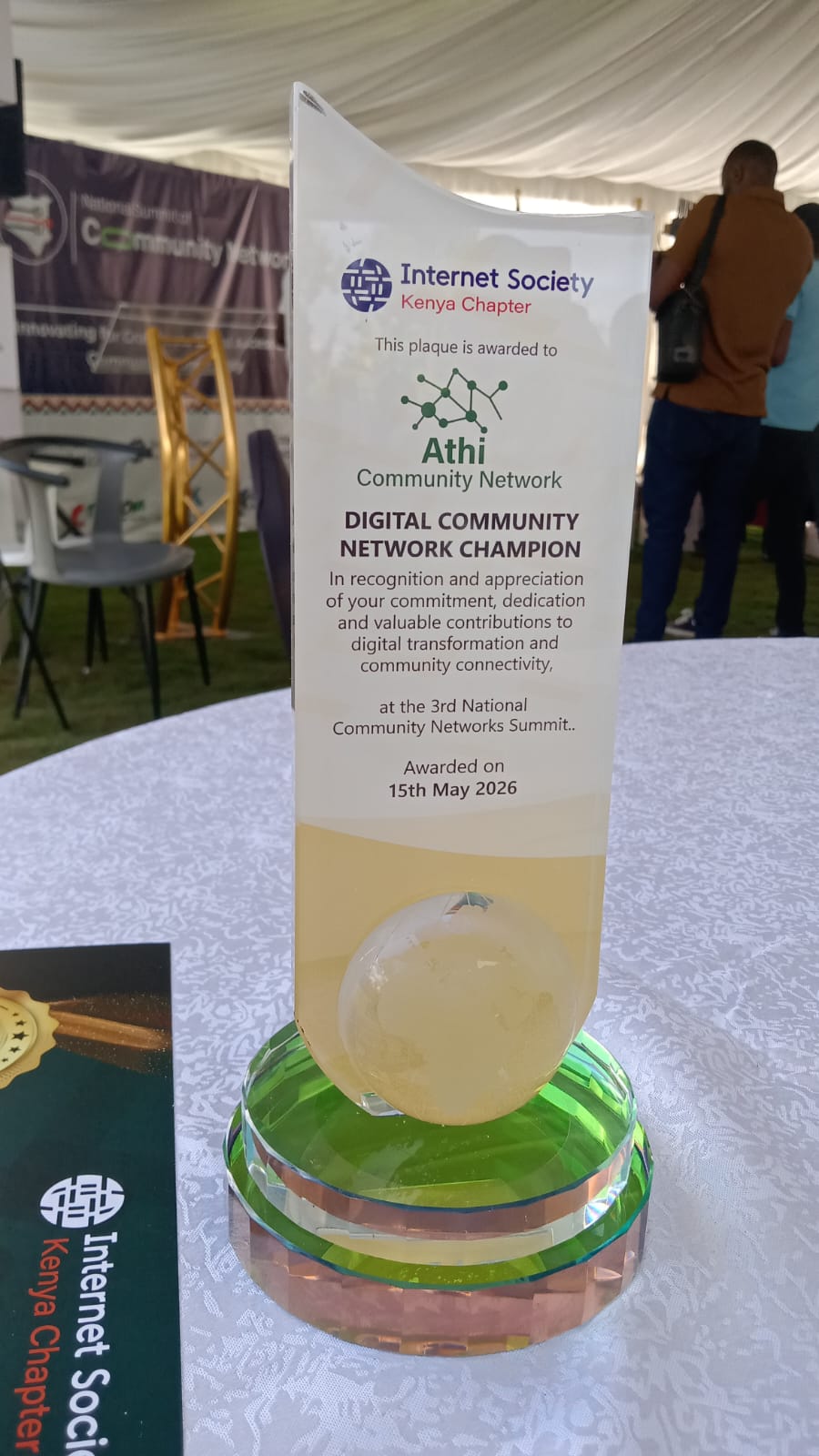
Our impact approach brings together service reach, user experience, network performance, stories of change and lessons from implementation.